 Slack
 Gmail
 Outlook
 Asana
Why "Hi" Is the Worst Notification You Can Send
It arrives like a knock at the door, with nobody there when you open it.
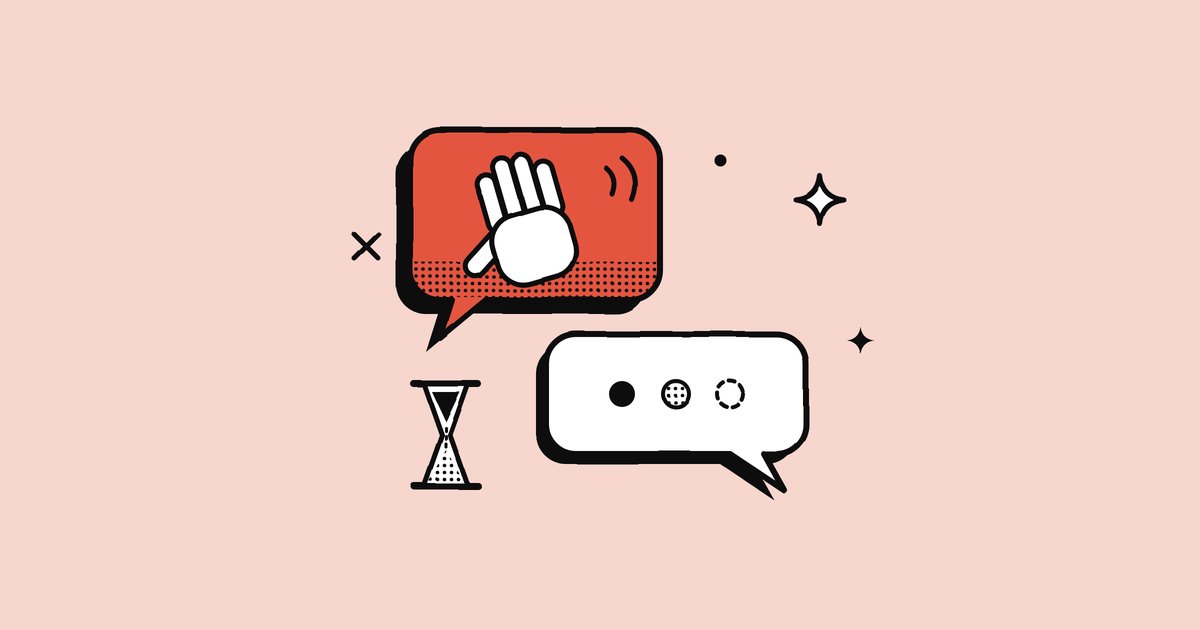
The emptiest notification of all is a single word. "Hi." "Quick question?" "Got a sec?" It arrives like a knock at the door, with nobody there when you open it. The card carries nothing to judge, so the reader is left with two bad choices: drop everything to find out what it is, or let it wait and risk missing something that mattered.
Why "Hi" hurts more than it seems
A notification gets a second or two. In that glance, the reader decides what you are asking, how soon and whether it can wait. "Hi" answers none of those questions. It still costs a full interruption, it creates suspense, and then it makes the reader wait again while you type the actual question. The workplace etiquette movement known as "no hello" compares it to calling someone, saying hello, and then putting them on hold.
It is also unfair in a quiet way. The sender spends a second; the receiver spends a switch of focus, and research by Gloria Mark suggests that getting back to the interrupted work can take around 25 minutes (University of California).
Its cousins: "Quick question" and the one-word burst
- "Quick question?" Rarely quick, and the question is missing.
- "Are you there?" The reader has to answer a question about availability before learning whether to be available.
- The burst. A thought sent a line at a time: "hey" / "so" / "about the budget" / "the client wants changes". Seven buzzes, and the phone shows only the newest.
- The lonely "?" Sent five minutes after the first message, it raises the temperature without adding information.
Spot the empty message
Seven messages as they would appear in a notification. Could the reader decide what to do from the preview alone?
This interactive part needs JavaScript.
The fix fits in a sentence
Greet and ask in the same message. Compare:
- Before: "Hi Maria!" (and then nothing, for two minutes)
- After: "Hi Maria, can you send me the Q3 figures by 3 pm? I need them for the client call."
The second version is just as warm. It also lets Maria decide in one glance whether to answer now or after her current task. If you want to check your messages before sending, try the preview tester in Write for the Preview.
Make it a team habit
- Add a short line to your team norms: "Greet and ask in one message."
- Put "no hello please, just ask" in your chat status for a week.
- When someone sends a lone "Hi", reply kindly with the habit, not a lecture.
For the bigger picture on team rules, see the manager's guide to notification norms.
Frequently asked questions
Why is it bad to just say "hi" in chat?
A lone greeting interrupts the reader without telling them what you need or how urgent it is, so they must either drop everything or risk missing something important.
What is the no hello rule?
A workplace etiquette habit: greet and ask your question in the same message, instead of sending a greeting and waiting for a reply.
Is it rude to skip the greeting?
No need to skip it. Keep the greeting and add the request in the same message.
Sources
- nohello: please don't just say hello in chat
- Can't pay attention? You're not alone (Gloria Mark), University of California
The kindest first line carries the ask.
Keep reading
More from the blog
Why People Copy Slack and Asana Into Their Email (and Whether It Will Last)
The email echo is not a rejection of Slack or Asana. It is an insurance policy against their speed. Why people choose it, and what to do instead.
Defaults Decide: Why Your Tools Are as Noisy as on Day One
Whoever sets a tool's notification defaults decides how noisy thousands of working days will be. The research on defaults, and how to reset yours in 20 minutes.
Your Inbox Belongs to Machines: Only 13% of Email Is Written by Humans
Most of your inbox was written by software. Why tools send notification email by default, what the echoes cost, and why email is becoming the archive, not the alarm.Your unified notification inbox for Slack, Gmail, Outlook and Asana.
Every alert understood, prioritised, and ready to act on. We don’t manage your work. We digest it for you.
No credit card needed