 Slack
 Gmail
 Outlook
 Asana
"Here's What I Did": When AI Agents Start Sending Your Notifications
Where you once read "Ana asked for the March figures", you now read "I sent Ana the March figures." You are no longer asked to do the work, only to judge it.
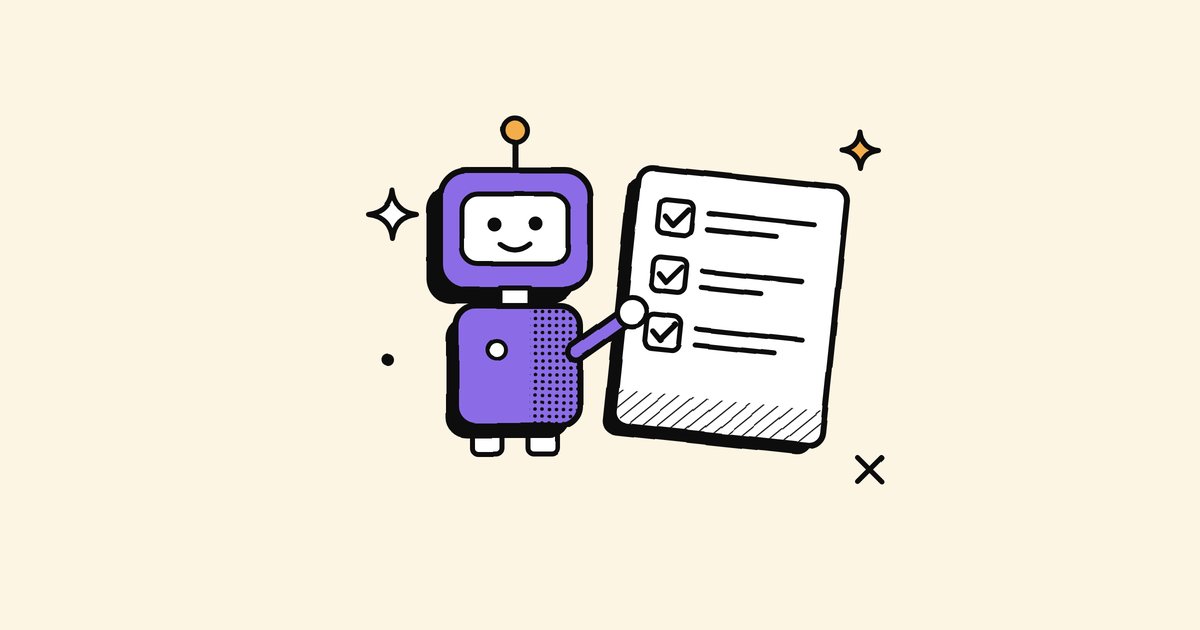
Until now, a notification usually marked the start of a job: a client wrote, a file changed, a meeting moved, and the rest was up to you. An AI agent reverses the order. It reads the message first, does what it can, and only then turns to you. Where you once read "Ana asked for the March figures", you now read "I sent Ana the March figures from the shared sheet." AI agent notifications are reports of work already done, and they change what it means to be notified.
This is no longer a sketch
Since September 2025, GitHub's Copilot coding agent can take a task, work on it in the background, open a draft and request a review from the person who assigned it (GitHub). In December 2025 Slack added agent notifications with buttons like "Approve", "Decline" and "Draft email" (Slack). The machine writes the first draft of the work, and the person keeps the last word.
The relief is real. When 5,179 customer-support agents were given an AI assistant, issues resolved per hour rose 14% on average and 34% for the newest staff (NBER). Reviewing is lighter than doing, as long as the reviewer's trust is set right. And trust can slip in two directions.
Free ebookThe Language of InterruptionThe research behind every notification you get at work: where they came from, what they cost and what to do about them. 131 pages, free PDF.Get it free →When trust is too low, the work is done twice
A sceptical reviewer cannot simply approve. To judge what the agent did, they go back to what prompted it: open the original email, reread the thread, recall what the client asked. A notification that promised to take one task away now carries two. In a Workday survey, 77% of daily AI users said they review AI work as carefully as human work or more, and the company estimated nearly 40% of the time AI saves is lost to rework (Workday). Researchers even named the weakest output "workslop": work that looks finished but is not (BetterUp).
When trust is too high, the mistake goes through unseen
The opposite failure is quieter. An agent that is right most of the time teaches its reviewer to stop looking the rest of the time. Approvals collect between meetings, the button waits under the thumb, and "approve" becomes the shortest way to an emptier screen. Researchers call this automation bias, and it reaches experts. In a 2023 Radiology study, when an AI suggestion was deliberately wrong, even radiologists with 15 years of experience saw their accuracy fall from 82% to 45.5% (RSNA).
Security teams know the reflex as MFA fatigue. In 2022 an attacker flooded an Uber contractor's phone with login approval requests until one was accepted. Anthropic described the same pull in its own coding agent as "approval fatigue", and cut permission requests by 84% by sandboxing it (Anthropic).
What kind of AI reviewer are you?
An agent reports what it did. What do you actually do? Your answers reveal where your trust is set.
This interactive part needs JavaScript.
What a good agent report looks like
Neither failure is a verdict on agents; both are verdicts on the notifications they send. A report that says only "done" leaves two poor choices: redo the work to verify it, or trust it blindly. A good report shows:
- What changed, in one line: "Moved the client call to Thursday 3 pm."
- Why: "Ana declined Wednesday; Thursday is free for all four of you."
- What it was based on, with the original a tap away.
- How to undo it, right there in the banner.
If your team is weighing up AI summaries as well as agents, see Your AI Chief of Staff.
Frequently asked questions
What are AI agent notifications?
Notifications sent by AI agents after they have done some work on your behalf, such as drafting a reply or moving a meeting, asking you to approve, edit or undo.
What is automation bias?
The tendency to over-trust an automated suggestion, so that errors slip through because people stop checking. It affects experts as well as beginners.
How do I review AI agent work safely?
Ask for reports that show what changed, why and based on what, keep the original one tap away, and check anything involving money, dates or clients.
Sources
- Copilot coding agent is now generally available, GitHub Changelog (2025)
- Slack feature drop, December 2025
- Brynjolfsson, Li and Raymond, Generative AI at Work, NBER (2023)
- New Workday research: companies are leaving AI gains on the table (2026)
- What is AI workslop?, BetterUp
- AI bias may impair radiologist accuracy on mammogram, RSNA (2023)
- Claude Code sandboxing, Anthropic Engineering (2025)
The machine writes the first draft. The person keeps the last word. The notification is where that word is spoken.
Keep reading
More from the blog
People, Systems, AI: Why Who Is Speaking Changes the Message
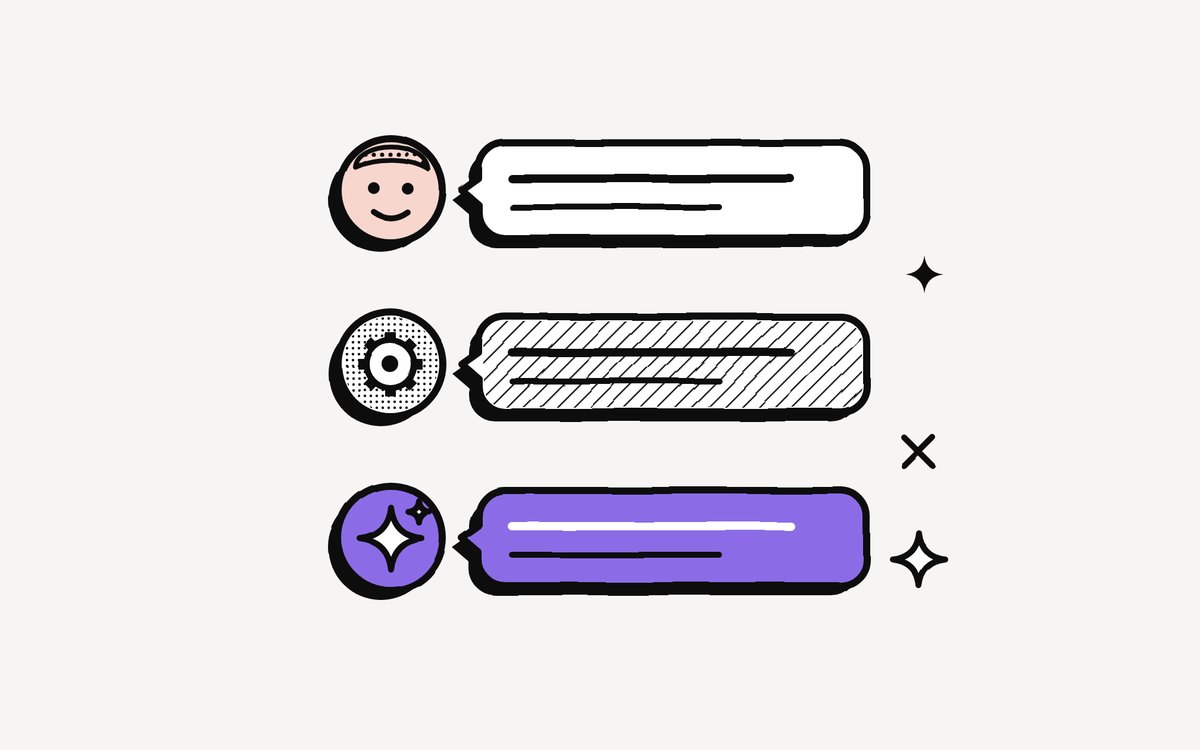
"Can you look at this today?" is one sentence and three different requests. People carry intent, systems carry facts, AI carries interpretations.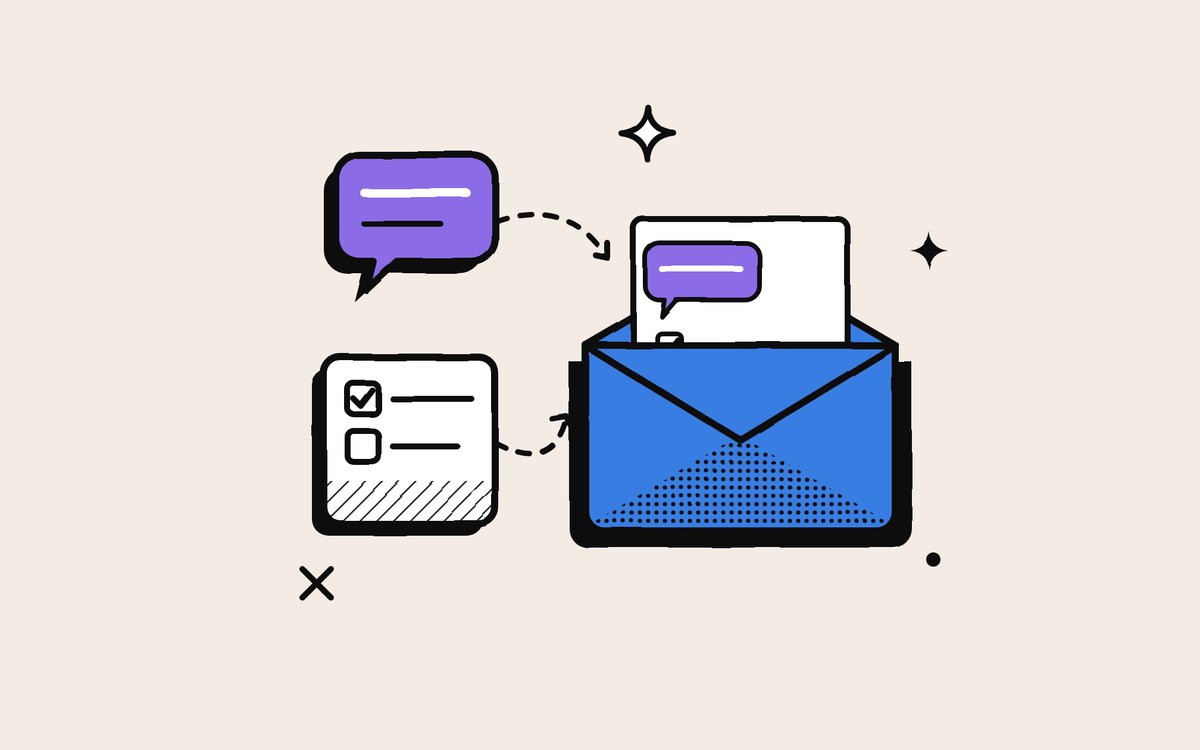
Why People Copy Slack and Asana Into Their Email (and Whether It Will Last)
The email echo is not a rejection of Slack or Asana. It is an insurance policy against their speed. Why people choose it, and what to do instead.
Why a Failed Build and a Thank-You Look Exactly the Same
Every kind of work communication now reaches you through the same narrow doorway. How flattening strips messages down, and why nothing on your screen tells you what matters.Your unified notification inbox for Slack, Gmail, Outlook and Asana.
Every alert understood, prioritised, and ready to act on. We don’t manage your work. We digest it for you.
No credit card needed