 Slack
 Gmail
 Outlook
 Asana
Why Work Notifications Exploded: 5 Forces Behind the Flood
Each era of the notification answered the same problem: more messages than anyone could read, and less attention to read them with.
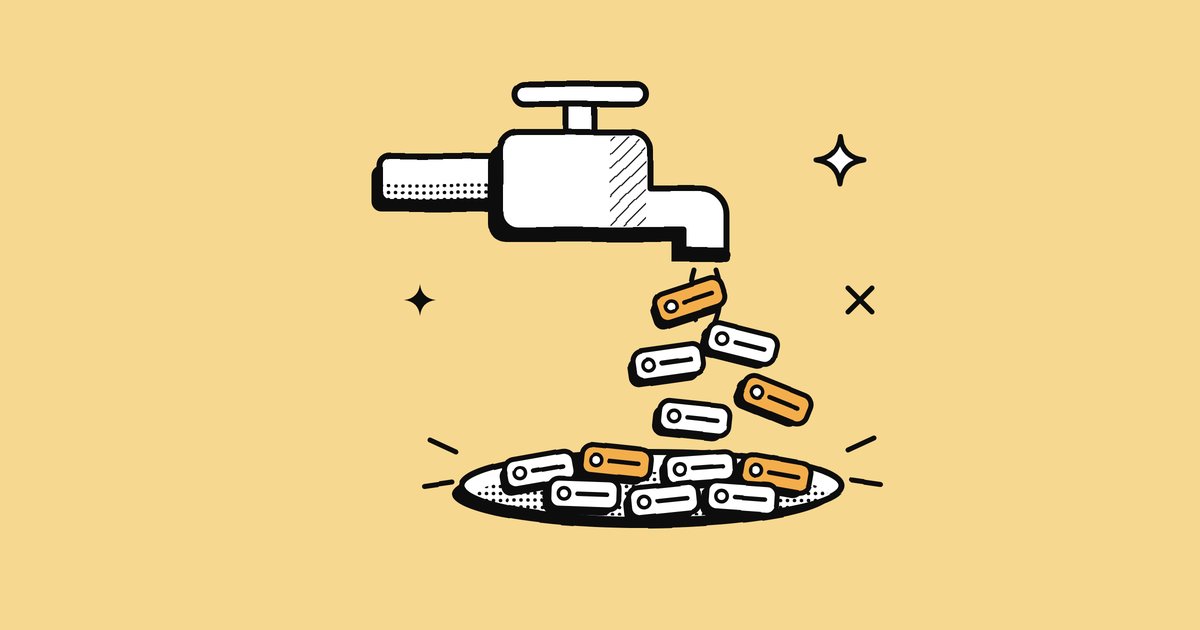
Notifications did not grow on their own. They grew because the way we work changed beneath them. Every step in their history, from the blinking light to the AI summary, was an answer to the same problem: more messages than anyone could read, and less attention to read them with. Here are the five forces that made work notifications explode.
1. The office went quiet, and the inbox got loud
A colleague once walked to your desk. When work moved online, and then home, that walk became a message. A study of more than 61,000 Microsoft employees, published in Nature Human Behaviour, found that remote work reduced synchronous communication and increased asynchronous messaging (Yang et al.). The tap on the shoulder became a message waiting to be noticed.
Free ebookThe Language of InterruptionThe research behind every notification you get at work: where they came from, what they cost and what to do about them. 131 pages, free PDF.Get it free →2. The stream became a flood
Between February 2020 and 2021, the average Teams user sent 45% more chats per week (Microsoft). The first shock passed, but the rise did not stop: in 2025 Microsoft still saw Teams messages per person growing year on year, alongside 117 emails and 153 Teams messages a day for the average user (Microsoft).
3. We began living in several projects at once
Gloria Mark has found that people spend only about ten and a half minutes on a project before switching to another (University of California). With attention split across so many threads, messages pile up for later, and the notification has to tell us whether later is good enough.
4. Work stopped sharing a clock
A team spread across Toronto, São Paulo and Belgrade is never all asleep at once. Microsoft reports that a growing share of meetings now cross time zones, and the average employee sends or receives more than 50 messages outside core hours. A message often lands while its reader sleeps, so it must make sense on its own when they wake. Our post on scheduling your apps for when you are away covers the practical side.
5. Machines joined the conversation
Build systems, ticket trackers, CRMs, approval flows and now AI agents all send notifications, adding voices that nobody chose to hear. A person might pause before interrupting a colleague. A tool never does. And most companies run dozens of them: Okta counted an average of 101 apps per company in 2025 (Okta).
Which force is flooding your day?
All five forces touch everyone. One usually dominates. Find yours and the fix that fits it.
This interactive part needs JavaScript.
The signal had to become smarter
Volume rose faster than attention ever could. The only way to keep notifications useful was to make each one say more: who, about what, how urgently, and whether it needs you at all. That is the story of every era in the short history of work notifications.
The practical lesson for teams is the reverse: when every notification has to fight for a second of attention, sending fewer, fuller ones is how yours get read.
Frequently asked questions
Why do I get so many notifications at work?
Remote and hybrid work turned conversations into messages, chat volumes rose sharply, people work across several projects and time zones, and software tools now send notifications too.
Did remote work increase messaging?
Yes. A study of more than 61,000 Microsoft employees found remote work reduced synchronous communication and increased asynchronous messaging, and Teams chats per user rose 45% between February 2020 and 2021.
How many apps does a company use?
Okta counted an average of 101 apps per company among its business customers in 2025.
Sources
- Yang et al., The effects of remote work on collaboration among information workers, Nature Human Behaviour (2021)
- The next great disruption is hybrid work, Microsoft Work Trend Index (2021)
- Breaking down the infinite workday, Microsoft Work Trend Index (2025)
- Can't pay attention? You're not alone (Gloria Mark), University of California
- Businesses at Work 2025, Okta
Volume rose faster than attention ever could. Everything else follows from that.
Keep reading
More from the blog
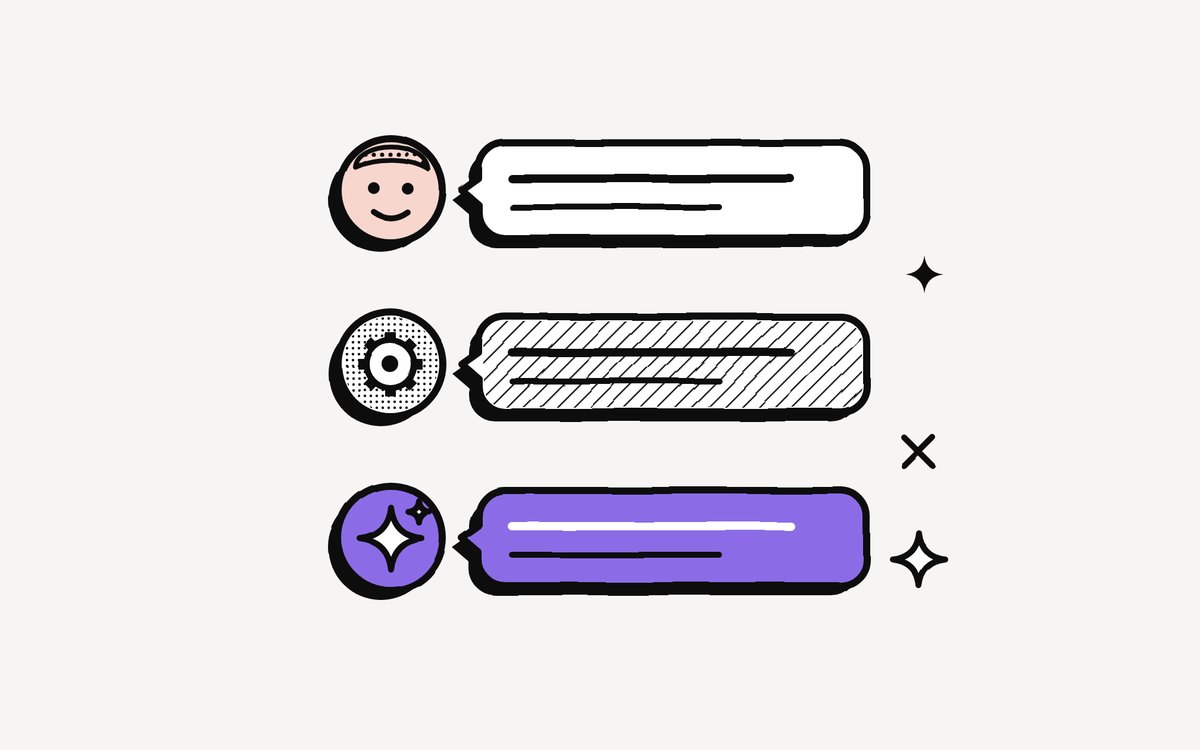
People, Systems, AI: Why Who Is Speaking Changes the Message
"Can you look at this today?" is one sentence and three different requests. People carry intent, systems carry facts, AI carries interpretations.
Why a Failed Build and a Thank-You Look Exactly the Same
Every kind of work communication now reaches you through the same narrow doorway. How flattening strips messages down, and why nothing on your screen tells you what matters.
The Notification Is Now the Message
Nobody reads 270 messages a day in full. They read the notifications and decide. Why the notification has become the message, and why that changes how we should write.Your unified notification inbox for Slack, Gmail, Outlook and Asana.
Every alert understood, prioritised, and ready to act on. We don’t manage your work. We digest it for you.
No credit card needed