 Slack
 Gmail
 Outlook
 Asana
The Notification Is Now the Message
A banner slides down, you read it, you decide, you carry on. The message behind it stays unopened, and yet you know what it said.
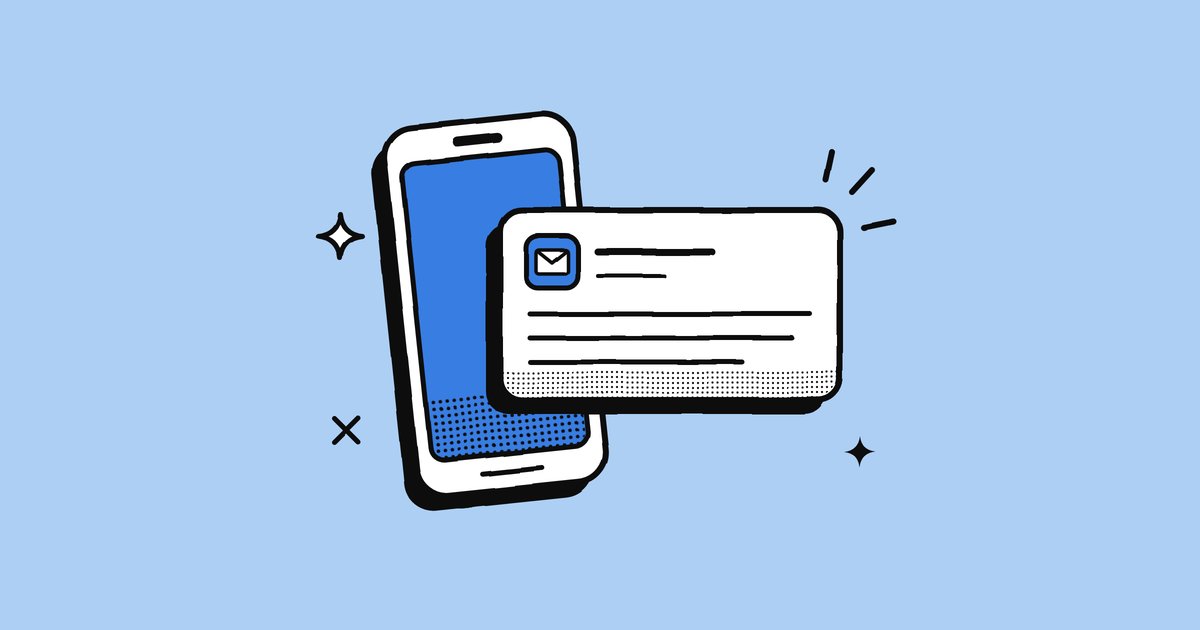
You know the moment. A banner slides down while you are in the middle of something. You read it, you decide, and you carry on. The message behind it stays unopened, and yet you know what it said, who sent it and whether it can wait. You have read it without reading it. For a growing share of work, the notification is no longer the way to the message. It is the message.
The smallest message at work
Notifications started as a blinking light that said "something arrived". Today a single banner can tell you who needs you, about what, how urgently, and what to do, often before you open anything. That shift matters because the notification is now the first, and often the only, part of a message people read. Microsoft's telemetry shows the average employee receives 117 emails and 153 Teams messages a day (Microsoft). Nobody reads 270 messages in full. They read the notifications and decide from there.
Free ebookThe Language of InterruptionThe research behind every notification you get at work: where they came from, what they cost and what to do about them. 131 pages, free PDF.Get it free →Read without reading: what the research found
This is not new, and it is not laziness. In 2010, researchers at Microsoft Research followed colleagues for two weeks to see how they lived with email alerts. Only about a quarter of the alerts made people switch to their inbox; the rest were judged from the alert alone (Iqbal and Horvitz, 2010). When the alerts were switched off for a week, 17 of the 18 who answered the follow-up survey wanted them back. For some it was speed. For others it was simply the comfort of knowing something had arrived, even if they did not look.
The medium is the message, finally literal
Marshall McLuhan's famous line from 1964, that the medium is the message, has rarely fitted anything so well. What began as a sign that said "go and look" has quietly become the thing itself. For many requests, the banner is the only part that will ever be read.
Which means the banner carries more weight than any other part of a message: its first words decide the request's urgency, its source decides how much it is trusted, and its timing decides whether it lands as help or as an interruption.
How much of your work do you read without opening?
Be honest about yesterday. The result shows how much the notification has become your inbox.
This interactive part needs JavaScript.
What it means for how we work
- Senders: write the first line as if it is the only line. Put the ask and the timing in it. Our guide to writing for the preview has six habits.
- Receivers: trust the glance for the trivial, but give anything that needs a decision a home outside the stream, or it will be buried.
- Teams: agree on what deserves a notification at all. Every one you skip makes the rest worth more.
- Tools: a richer notification is not a luxury. If it tells you enough to decide in two seconds that something can wait, it saves you a switch.
The notification is the smallest unit of work communication, and increasingly the most important one. The rest of this series looks at what it is made of, and how to treat it with the care its value deserves. Start with a short history of work notifications.
Frequently asked questions
What does "the notification is the message" mean?
For many work requests, people decide what to do from the notification alone, without opening the message. The banner has become the main, and often only, part of the message that gets read.
Do people really decide from notifications without opening them?
Yes. In a 2010 Microsoft Research field study, only about a quarter of email alerts led people to switch to their inbox; the rest were judged from the alert.
How should I write messages if people only read the notification?
Put the ask, the deadline and the stakes in the first line, and keep one thought to one message.
Sources
- Breaking down the infinite workday, Microsoft Work Trend Index (2025)
- Iqbal and Horvitz, Notifications and awareness: a field study of alert usage and preferences, CSCW (2010)
- The medium is the message, Wikipedia
A notification is not worth the same as the message behind it. It is worth something different: the first glimpse of what someone needs from you.
Keep reading
More from the blog
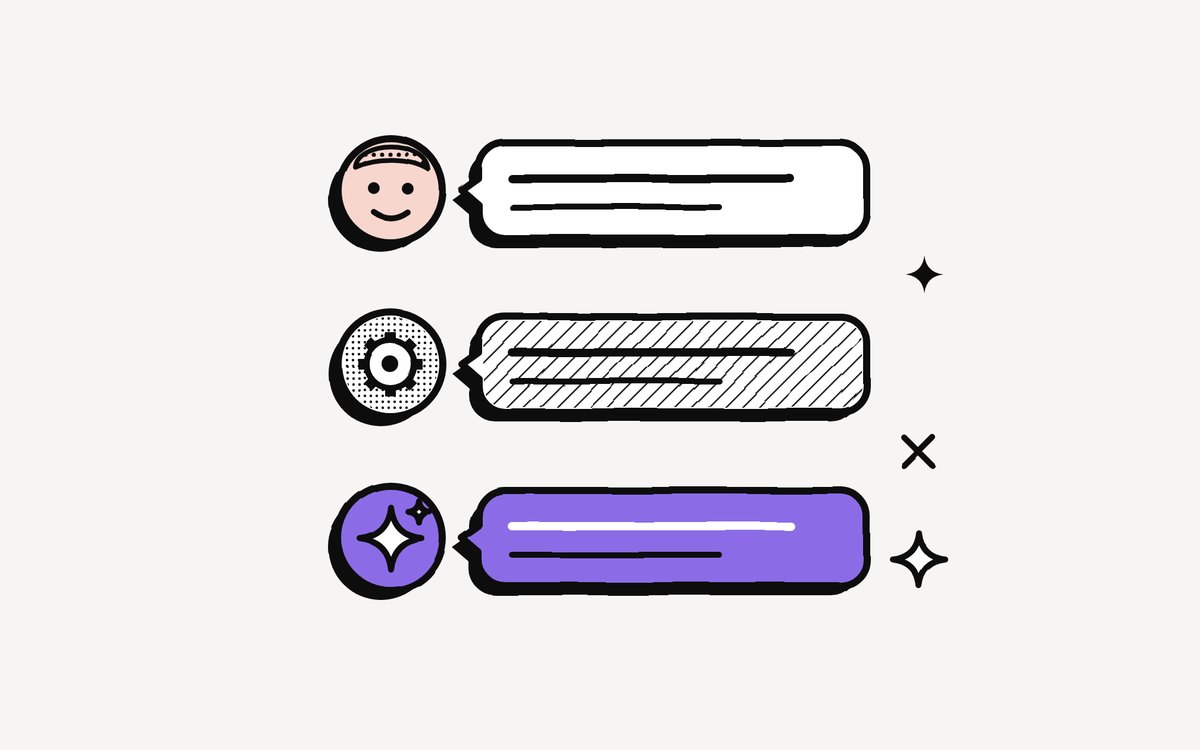
People, Systems, AI: Why Who Is Speaking Changes the Message
"Can you look at this today?" is one sentence and three different requests. People carry intent, systems carry facts, AI carries interpretations.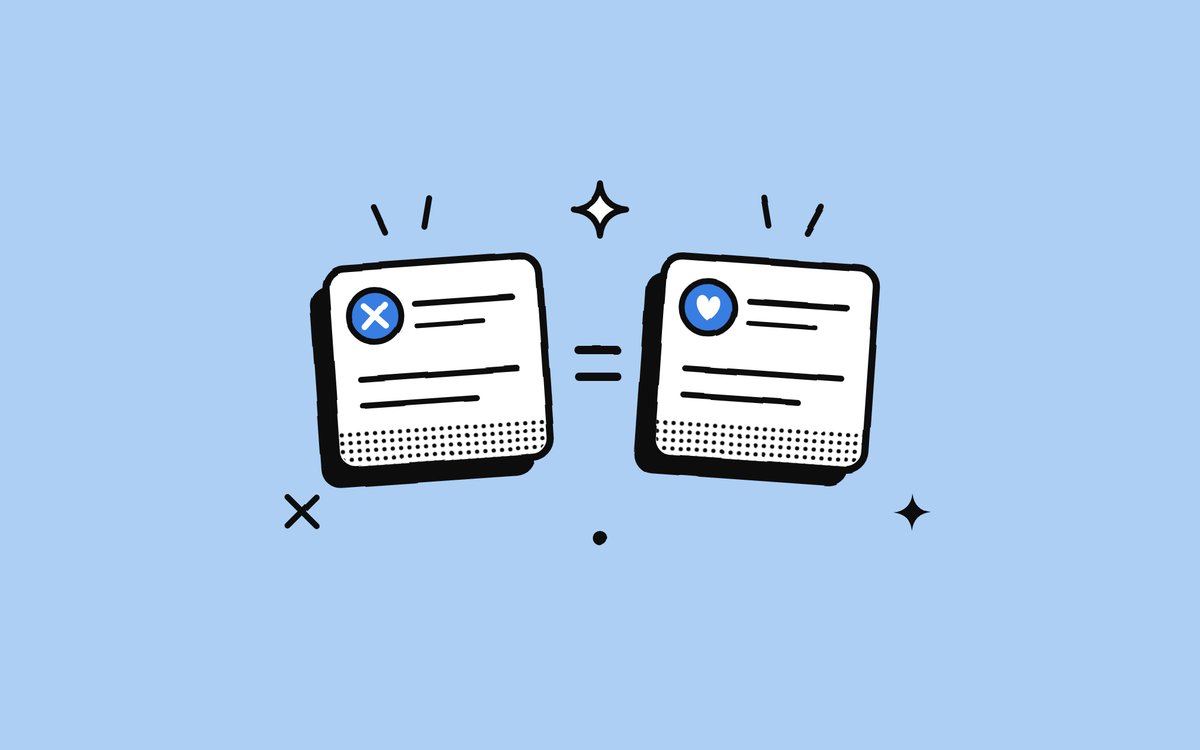
Why a Failed Build and a Thank-You Look Exactly the Same
Every kind of work communication now reaches you through the same narrow doorway. How flattening strips messages down, and why nothing on your screen tells you what matters.
Why Work Notifications Exploded: 5 Forces Behind the Flood
The office went quiet and the inbox got loud. Five forces that made work notifications explode, backed by the data, and why every notification now has to say more.Your unified notification inbox for Slack, Gmail, Outlook and Asana.
Every alert understood, prioritised, and ready to act on. We don’t manage your work. We digest it for you.
No credit card needed